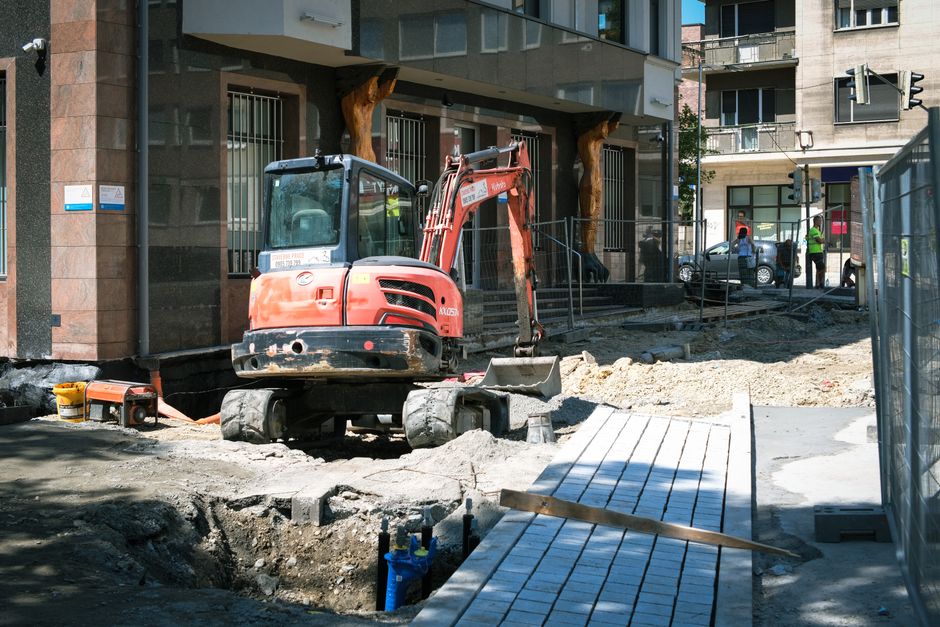
When tight access raises costs for Brent Cross gardeners
If you have ever looked at a side passage, a narrow terrace gap, or a garden reached only through the house and thought, "well, that's going to complicate things," you are probably right. When tight access raises costs for Brent Cross gardeners, it is usually because the job takes longer, needs smaller equipment, and involves more manual work than a straightforward, open-access garden. That does not mean the work is impossible. It simply means the planning has to be a bit sharper, and the quote often reflects that reality.
In Brent Cross, homes can vary quite a bit. Some gardens are easy to reach with a mower and a wheelbarrow. Others involve steps, awkward turns, shared walkways, basement courtyards, or limited parking outside. Those details matter. A good gardener will notice them early and explain how they affect labour, time, waste removal, and safety. This guide breaks the whole thing down in plain English, so you can understand what drives the cost and what you can do to keep it sensible.
Why tight access matters
Access sounds like a small detail until you are the one carrying bags of soil through a narrow hallway or dragging hedge cuttings out in awkward armfuls. Then it becomes the job. Tight access matters because it affects almost every practical part of gardening: arrival, set-up, movement of tools, waste handling, and even how much can be achieved in one visit.
For many gardens, the biggest cost driver is not the planting, mowing, or trimming itself. It is the extra labour created by restricted entry. If a gardener cannot wheel a mower, chipper, or clearance sacks directly to the garden, they may need smaller tools, more trips, and more time on site. That extra time is usually where the price climbs.
There is also a quiet but real risk factor. Tight access often means more carrying, more bending, more lifting, and more chance of damaging paving, walls, fences, or interiors. To be fair, that's not dramatic; it's just life on a job where the route in is a bit of a puzzle. A professional will price cautiously because the route in and out affects both efficiency and safety.
For homeowners, landlords, and property managers, understanding this helps avoid friction later. Nobody likes a surprise uplift after the team arrives and discovers the gate is too narrow for the equipment. A clear discussion at the estimate stage usually saves everyone a headache.
How tight access raises costs for Brent Cross gardeners works
The cost increase usually comes from a combination of small, ordinary things rather than one huge problem. On paper, the task may look simple. In reality, the access route changes how the job is delivered.
1. Labour time increases
When a gardener must carry equipment by hand, move materials in smaller loads, or make repeated trips to the front of the property, the whole visit takes longer. Even a modest garden can become a longer job if every sack of waste has to be carried through a narrow side passage or up steps. Time is money, as the saying goes, and here it really is.
2. Equipment options narrow
Standard larger machines are brilliant when they fit. But if the route is tight, steep, uneven, or blocked by low gates, the team may need compact tools, handheld machines, or manual methods. Those can still do a good job, but they may take longer and produce different results, particularly for heavier clearance or larger lawn areas.
3. Waste disposal becomes more labour-heavy
Green waste, old branches, soil, turf, and general garden debris are awkward to move even on a good day. Tight access often means smaller loads and more carrying. If the work involves garden clearance, this effect is usually stronger because there is simply more material to remove. The same goes for overgrown plots or seasonal cutbacks after a long wet spell.
4. Risk management becomes more important
Restricted access can increase the chance of scuffs, breakages, or injuries if people rush. That is why a seasoned gardener may allow extra time for set-up, protection of floors or pathways, and careful movement of kit. It sounds cautious because it is. Better cautious than clumsy.
5. Scheduling can be less efficient
Jobs with difficult access can be harder to slot into a day, especially if travel, parking, or manual handling all need extra allowance. A gardener may need to send a smaller team, revisit parts of the garden in stages, or separate clearance from maintenance work. If your property also needs ongoing care, a regular garden maintenance plan can sometimes keep access-friendly tasks from building up into a larger, costlier project.
So, how does pricing usually reflect all this? In most cases, by adjusting labour estimates, equipment selection, and waste handling time. The quote may also include contingencies for awkward routes, which is fair enough if the gardener has not seen the space in person yet.
Key benefits and practical advantages
It might sound odd to talk about benefits when the topic is extra cost, but there are real advantages to getting access issues right from the start. The price is only part of the story.
- More accurate quotes: A proper access assessment reduces vague pricing and awkward add-ons later.
- Better job planning: The gardener can bring suitable tools and enough labour for the space.
- Less disruption: Careful planning keeps noise, mess, and movement down inside and around the home.
- Lower risk of damage: Narrow paths, doors, and side returns stay protected when the route is known in advance.
- Faster completion overall: Oddly enough, spending a bit more time planning usually saves time on the day.
There is another upside people sometimes miss: a constrained garden can still be transformed effectively. It may just need a more tailored approach. That could mean selective pruning, smaller machinery, staged waste removal, or combining visits instead of forcing everything into one big hit. A thoughtful plan is often better than brute force.
For example, a tight courtyard may not suit a large one-off clearance, but it may work very well with lighter, regular visits and a clean-up routine that keeps growth under control. If the layout is tricky, a few smart changes can make the garden far easier to maintain through the year.
Who this is for and when it makes sense
This issue affects more people than you might think. It is not just a problem for tiny city gardens. Plenty of properties in Brent Cross and surrounding parts of north London have access quirks that shape the job.
- Homeowners with side-return-only access, narrow gates, or shared entrances
- Landlords and letting agents needing clear pricing for overgrown rental gardens
- Residents of flats or maisonettes where tools and waste must pass through communal spaces
- Older properties with stepped pathways, tight doors, or awkward rear lanes
- Busy households that want less disruption and a tidier, safer process
- Anyone planning landscaping where access will affect what materials can realistically be moved
It makes sense to think about access before booking any major work. If the garden needs hedge reduction, turf work, tree pruning, or full clearance, the route in and out may determine what kind of team, equipment, and timescale are practical. In some cases, a project that looks cheap on first glance becomes more expensive simply because the garden is difficult to reach.
And, honestly, that is not a scam or a trick. It is just the reality of labour in tight spaces. A good firm will explain it without trying to frighten you.
Step-by-step guidance
If you want the most accurate pricing and the fewest surprises, follow a simple process. Nothing fancy. Just good preparation.
- Walk the access route slowly. Start at the street and trace the exact path to the garden. Note gates, steps, bends, low walls, locked doors, and anything that might slow movement.
- Measure the narrow points. Even rough measurements help. Gate width, passage width, and step height are often enough for a first estimate.
- List the main job tasks. Lawn mowing, hedge trimming, clearance, pruning, tree work, or landscaping all have different access needs. A quick tidy is very different from a full overhaul.
- Take a few clear photos. Pictures of the route, not just the garden itself, are often more useful than a dozen words.
- Explain storage and parking constraints. If the crew cannot unload close to the property, say so early. It affects timings and loading.
- Ask how waste will be removed. Will bags be carried through the house, down a side passage, or out to the front? That detail matters.
- Request a breakdown if the work is substantial. A clear quote helps you see whether the extra cost is tied to labour, access, disposal, or equipment.
If you are unsure what kind of work your garden needs, the broader services overview can help you match the job to the right type of visit. That alone can stop an awkward one-size-fits-all quote.
One small but useful point: if access is tight only at certain times of day, mention that too. Deliveries, school run chaos, or parking restrictions can alter the practical window. It sounds minor, but on a London street, timing can be half the battle.
Expert tips for better results
Here is where small decisions pay off. Most access-related cost increases can be softened with a bit of forethought.
- Clear the route before the team arrives. Move bikes, planters, bins, hoses, and furniture out of the way.
- Keep gates unlocked where appropriate. Every extra minute spent waiting or checking access adds friction. Obvious, but it happens a lot.
- Ask for the job to be split if needed. A large clearance can sometimes be better handled in stages rather than one exhausting visit.
- Match the service to the space. A small garden may benefit more from regular mowing and hedge care than from occasional heavy intervention.
- Use compact solutions where possible. Manual clearance, lightweight tools, or smaller machines can be more realistic than forcing oversized kit into a tight site.
- Plan for waste before the work starts. Where the access route is narrow, waste handling needs to be designed, not improvised.
If you are arranging recurring care, it can also help to keep the garden in a manageable state. Regular lawn mowing or hedge trimming is often cheaper over time than letting everything grow wild and then paying for a big, access-heavy rescue job. That's just the truth of it.
One more practical tip: if the job includes larger shrubs or small trees near the boundary, ask whether any part of the work might need tree lopping and removal rather than simple pruning. The access implications can be very different, especially when cut material is bulky or awkward.
Common mistakes to avoid
Most avoidable cost problems start with good intentions and incomplete information. Happens all the time.
- Understating the access issue. "It's a little tight" can mean anything from mildly awkward to nearly impossible for standard kit.
- Only sending garden photos. A pretty border shot is nice, but the route in is often the real story.
- Forgetting waste volume. A tidy lawn may be easy; a pile of cuttings, soil, or old timber is where access costs appear.
- Assuming all gardening jobs are similar. A quick maintenance visit and a structural landscaping job are not priced the same.
- Not checking parking and unloading space. If the crew must park far away, time and manual carrying both increase.
- Waiting until the day of the job to mention restrictions. That usually leads to a reshuffle, and sometimes a higher bill.
There is also a softer mistake: assuming the cheapest quote is the best quote. In restricted-access gardens, very low prices can mean the quote missed something important. Then the awkward conversation begins. Better to have a realistic number upfront than a bargain that falls apart halfway through.
And yes, sometimes the gardener will spot a challenge you did not notice. That is not them being difficult. It is usually experience talking.
Tools, resources and recommendations
You do not need specialist equipment to prepare for a gardener visit, but a few simple tools and habits can make life easier.
- Measuring tape: Handy for gate widths, passageways, and step clearances.
- Phone camera: Take wide shots from the street to the garden and close-ups of pinch points.
- Notebook or notes app: Jot down lock codes, access times, parking limits, and any shared entry arrangements.
- Basic broom or leaf rake: Clearing loose debris from the route helps prevent slipping and speeds up movement.
- Protective coverings: Useful if the team needs to pass through indoor areas with damp boots or soil on tools.
For homeowners who want a clearer picture before booking, a sensible first step is to review pricing and quotes alongside the service details. That gives you a better sense of what information to provide and what a professional may need to factor into the estimate.
If your project is more than routine tidying, it can also help to compare maintenance with larger upgrades. For instance, a garden that needs new levels, improved access, or a more practical layout may be better served by landscape gardening or broader landscaping work rather than repeated patch repairs. A narrow route may be annoying, but a smarter layout can make the whole space easier to care for later.
Law, compliance, standards, or best practice
Tight access does not usually create a special legal problem on its own, but it does put more weight on general safety, careful work methods, and clear communication. In the UK, reputable gardening and landscaping work is normally carried out with attention to safe lifting, safe movement of tools, and respect for property boundaries and shared spaces.
Best practice usually includes:
- Accurate pre-visit checks: so the job can be done safely and efficiently.
- Clear scope and pricing: so both sides know what is included.
- Careful manual handling: especially when carrying waste through narrow or uneven routes.
- Protection of surfaces: reducing the chance of damage to floors, gates, walls, and paths.
- Proper insurance and safety awareness: because accidents, while not common, can be costly when access is awkward.
If you are comparing providers, it is sensible to ask about safety and insurance rather than assuming those things are covered. A transparent company should be comfortable discussing them. You can also look at how the business explains its approach to insurance and safety and its general health and safety policy. That is not box-ticking; it is part of choosing someone who will treat your property carefully.
Where waste is involved, responsible disposal matters too. A tidy, ethical approach to green waste can reduce mess and help avoid unnecessary repeat trips. If sustainability is important to you, it is worth checking a company's recycling and sustainability approach. Small detail, big difference.
Options, methods, or comparison table
Not every access problem needs the same fix. Sometimes the best approach is simple manual work. Sometimes it is a more carefully staged service. Here is a practical comparison.
| Approach | Best for | Typical effect on cost | Notes |
|---|---|---|---|
| Standard access with larger equipment | Open gardens, easy side access, straightforward waste removal | Usually lowest | Fastest setup and best efficiency when everything fits |
| Compact tools and manual handling | Narrow passages, stepped routes, small courtyards | Moderate increase | Slower, but often the most practical solution |
| Staged work over multiple visits | Overgrown or bulky jobs with awkward waste movement | Can be higher overall, but easier to manage | Useful when access limits how much can be done safely in one day |
| Garden redesign or access improvement | Repeated access problems, tired layouts, ongoing maintenance issues | Higher upfront, potentially better long-term value | Often worth considering if the same access problem keeps returning |
In practice, the "best" option depends on what you are trying to achieve. A quick tidy-up does not need the same plan as a complete transformation. If your goal is simply to stop the garden becoming unmanageable, regular visits may be smarter than occasional heavy work. If the goal is a full reset, then access-friendly planning becomes even more important.
Case study or real-world example
Imagine a small Brent Cross rear garden reached through a narrow side passage and a gate that will not take a wide mower. The garden itself is only modestly overgrown, but the cuttings are dense and the bins are already full. On a free-flowing site, the job might be a simple half-day tidy. On this site, though, every bag of waste has to be carried carefully, the tools need to be smaller, and the team has to protect a tight route with more care than usual.
What happens next is fairly typical. The gardener revises the plan before starting. Instead of bringing a larger mower and assuming the best, they use handheld equipment, set up a waste path, and allow extra time for removal. The customer pays a bit more than they would for open access, but the work finishes cleanly, without damaged paving or repeated trips that drag out the day.
That is the real point here. Access-related costs are not just a surcharge for the sake of it. They are usually the practical cost of getting the job done safely and properly in a space that does not make life easy. Sometimes the difference is only a bit. Sometimes it is the difference between a rushed job and a neat one.
One afternoon, a bit of drizzle, a muddy path, and a narrow gate can turn a straightforward tidy into a slow, careful operation. Not glamorous, but very real.
Practical checklist
Use this before asking for a quote or booking work.
- Have I checked the full route from street to garden?
- Do I know the narrowest gate or passage width?
- Are there steps, slopes, or slippery surfaces to mention?
- Will tools or waste need to pass through the house or a communal area?
- Is parking close enough for loading and unloading?
- Do I need mowing, clearance, trimming, pruning, or landscaping?
- Have I taken clear photos of the access route?
- Have I explained any locked gates, codes, or timing limits?
- Am I happy to ask for a cost breakdown if the quote feels high?
- Would regular maintenance reduce the need for a bigger, access-heavy visit later?
If you can answer most of those, you are in a strong position. The quote is more likely to be accurate, and the work is more likely to run smoothly. Simple as that.
Get a free quote today and see how much you can save.
Conclusion
When tight access raises costs for Brent Cross gardeners, the issue is usually less about charging extra and more about acknowledging the real effort required to work safely, neatly, and efficiently in a constrained space. Narrow gates, awkward steps, limited parking, and difficult waste removal all add time and complexity. Once you understand that, the pricing makes a lot more sense.
The good news is that most access-related problems can be managed well with clear photos, honest measurements, a realistic scope, and the right type of service. A little planning goes a long way. And if you keep on top of maintenance, the garden stays easier to reach, easier to manage, and much less likely to turn into a bigger job than it needs to be.
There is a real calm in that, actually. Less guesswork, fewer surprises, and a garden that feels looked after rather than fought with.
Frequently Asked Questions
Why does tight access increase gardening costs?
Tight access increases costs because it usually means more labour, smaller equipment, extra carrying, and slower waste removal. The gardener spends longer on site and has to work more carefully, which changes the quote.
What counts as tight access for a gardener?
Anything that makes normal movement difficult can count as tight access: narrow gates, side passages, steps, awkward bends, shared entrances, or gardens that can only be reached through the house. It does not need to be tiny to be a problem.
Can I reduce the cost before the gardener arrives?
Yes. Clear the route, measure key spaces, send photos, explain parking limits, and tell the gardener exactly what needs doing. Good information helps them price more accurately and plan better.
Is a tight-access quote always more expensive?
Usually, yes, but not always dramatically. If the job is small and the access issue is minor, the difference may be modest. The biggest jumps tend to happen when waste removal or heavy equipment is involved.
Why do some gardeners ask for photos of the access route?
Because the route matters as much as the garden. Photos help them see gate widths, steps, and any points where equipment may not fit. It saves time and prevents misunderstandings.
Does tight access affect lawn mowing prices too?
It can. If the mower cannot fit through the access route, the gardener may need handheld or compact equipment, which can take longer. That said, a small lawn may still be very manageable.
How does tight access affect garden clearance?
Garden clearance is often hit hardest because there is usually a lot of material to move. If waste has to be carried in small loads, the job becomes slower and more labour-intensive.
Should I mention access problems when asking for a quote?
Absolutely. It is one of the most important things to mention. If the gardener knows about it in advance, they can give a more realistic price and avoid last-minute changes.
Can landscaping make a tight garden easier to maintain?
Yes, often it can. Thoughtful landscaping can improve movement, create better routes, and reduce awkward corners. That said, some access limits are fixed, so the design has to work around them sensibly.
Is manual work better than forcing larger equipment into a tight space?
In many cases, yes. Manual or compact methods are often safer and more efficient in restricted areas. Bigger equipment is only helpful if it can move freely without damaging the property or slowing everything down.
What should I ask a gardener about insurance and safety?
Ask how they protect surfaces, handle waste, and manage awkward lifting or carrying. It is also sensible to check that they have appropriate insurance and follow safe working practices, especially on difficult sites.
How do I know if the quote is fair?
Look for clarity. A fair quote should reflect access difficulty, waste volume, and the type of work involved. If one price is much lower than the others, check whether the provider has missed something important rather than assuming it is a bargain.
When is the best time to book a job with access issues?
As early as possible, especially if the garden is overgrown or the route is awkward. Early booking gives the gardener time to plan properly and allows you to explain any restrictions without pressure.
What if the access route changes after I get the quote?
Tell the gardener immediately. If a gate becomes blocked, parking changes, or access through the property is no longer available, the original quote may need to be adjusted. It is better to be upfront than hope it will somehow sort itself out.
Can regular maintenance stop access problems from becoming expensive?
Yes, often it can. Regular garden maintenance keeps growth under control, which usually means less waste, lighter equipment needs, and a simpler job overall. That is one of the easiest ways to avoid access-driven cost creep.